Mapping Digital Trust Networks: How Verified Transaction Protocols Shape VIP Access to Mobile Table Games and Slot Libraries
Taylor Wolf · Sep 14, 2026
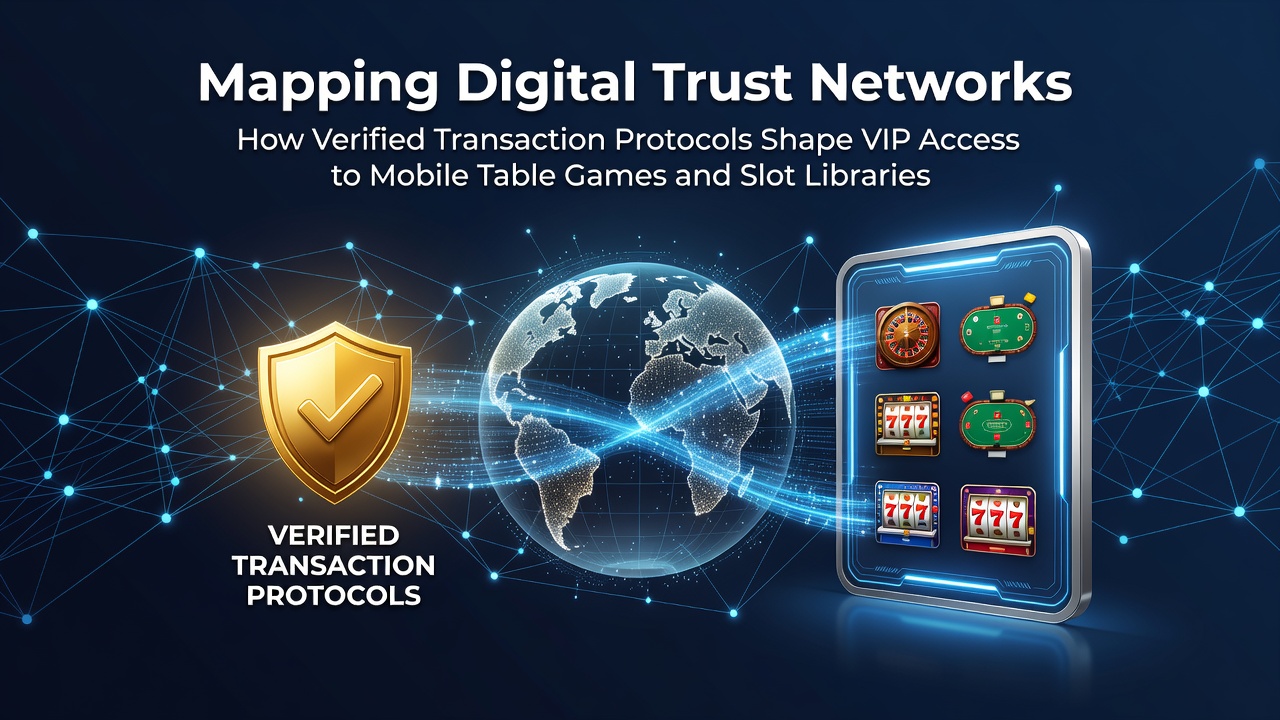
Mapping Digital Trust Networks: How Verified Transaction Protocols Shape VIP Access to Mobile Table Games and Slot Libraries
Digital trust networks rely on verified transaction protocols that authenticate users and secure financial flows before granting entry to exclusive mobile environments, and these systems directly determine which players gain access to high-stakes table games along with curated slot libraries. Operators integrate multi-layered verification steps that include identity checks, device fingerprinting, and real-time payment confirmations to build these networks, which in turn control tiered VIP privileges across portable platforms.
Core Components of Verified Transaction Protocols
Protocols begin with standardized encryption methods that protect data during each transfer, while blockchain-based ledgers record every transaction in immutable sequences that platforms reference when assigning access levels. Researchers at institutions tracking gaming technology note that such ledgers reduce disputes over fund origins and allow operators to automate VIP upgrades once cumulative verified volumes reach defined thresholds. Data from regulatory filings shows that jurisdictions requiring these protocols report higher compliance rates among mobile operators handling table game and slot content.
Two-factor authentication combines with biometric markers to confirm user identity at login and before any high-value action, and this combination feeds directly into trust scoring algorithms that sort players into access categories. Those who've examined the mechanics observe that scores update continuously based on transaction history, so a single verified deposit sequence can unlock immediate entry to private mobile tables or premium slot collections without manual review.
How Protocols Determine VIP Pathways
VIP access emerges when protocols confirm sustained patterns of verified activity, which triggers automated invitations to exclusive mobile sections featuring live dealer tables with elevated betting limits and slot libraries that include progressive jackpots reserved for verified users. One platform that adopted these standards in early 2025 recorded a measurable increase in mobile table game participation among players whose transaction histories cleared verification within the first session. Figures reveal that operators using aggregated assessment tools link bonus structures to these same protocols, so welcome offers convert into sustained VIP status only after multiple verified transfers occur.
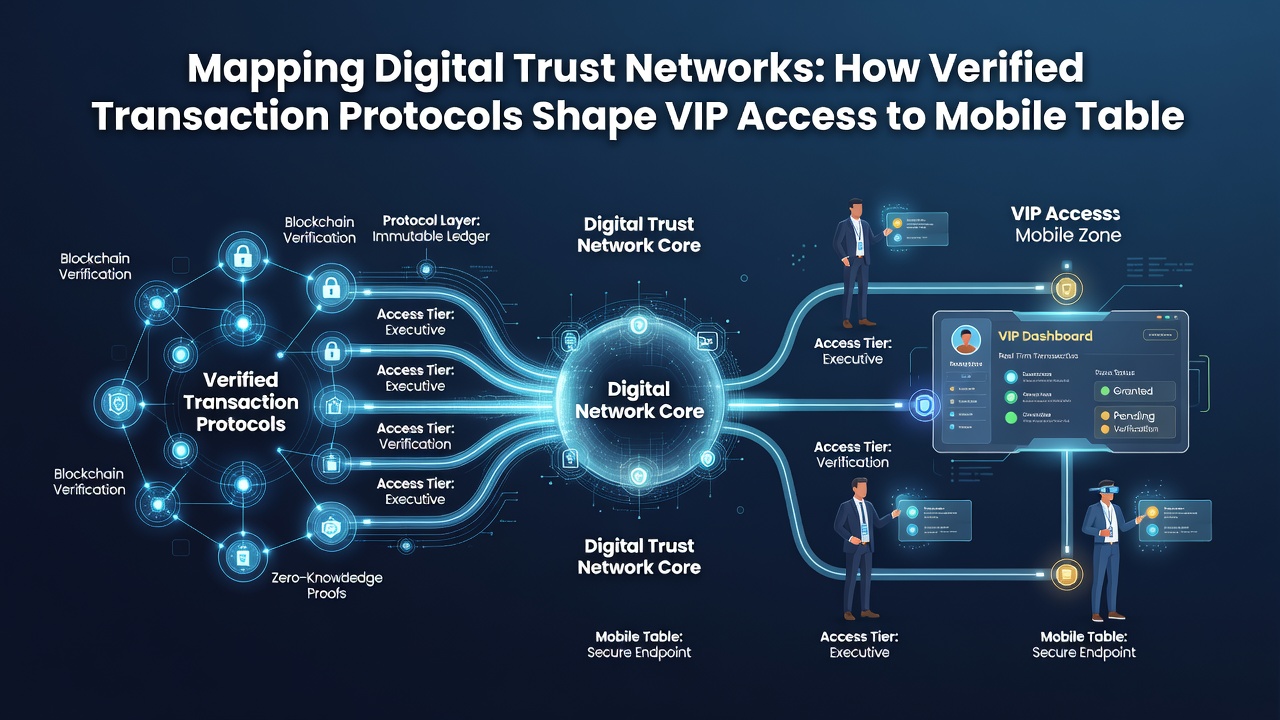
As of September 2026, several regional markets have updated their guidelines to require documented protocol audits before operators can promote VIP mobile features, and these changes have prompted providers to publish transparency reports that detail verification success rates. Observers note that platforms passing such audits often see faster growth in their verified user bases, which correlates with expanded slot libraries and additional live table options becoming available on smartphones and tablets. Industry associations in North America and parts of Asia have published comparative studies showing that verified networks reduce fraud incidents by measurable percentages compared with systems relying on single-factor checks alone.
Regional Variations in Protocol Implementation
European operators tend to emphasize real-time bank transfer verification tied to national payment rails, whereas North American platforms integrate state-specific licensing data into their trust calculations. A report issued by the New Jersey Division of Gaming Enforcement highlights how these integrated checks allow VIP mobile users quicker entry to restricted table games once transaction histories meet internal benchmarks. Australian regulatory summaries similarly connect protocol strength to the availability of localized slot libraries that operators reserve for players whose deposits clear verification without delays.
Trade groups such as the European Gaming and Betting Association have compiled datasets indicating that layered protocols also support cross-border VIP programs, where verified transaction records travel with the user account and maintain access privileges across different mobile applications. People who monitor these developments point out that such portability reduces onboarding friction while preserving the security standards that protect both operators and participants.
Future Directions for Trust Networks
Continued refinement of protocol standards focuses on artificial intelligence models that predict verification outcomes based on behavioral signals gathered during initial transactions, and early tests suggest these models can accelerate VIP tier assignments without compromising accuracy. Academic papers examining mobile gaming infrastructure describe how aggregated assessments now link payment rail performance directly to the breadth of available table game variants and slot titles within verified accounts. Operators who align their systems with these evolving benchmarks report smoother scaling of mobile VIP offerings as user volumes increase through the remainder of 2026.
Conclusion
Verified transaction protocols continue to serve as the foundation for digital trust networks that govern VIP access across mobile table games and slot libraries, and the data emerging from multiple jurisdictions demonstrates consistent patterns of improved security alongside expanded player options. As protocols mature, operators and regulators alike track their effects through ongoing audits and published metrics that keep the entire ecosystem transparent and accountable.